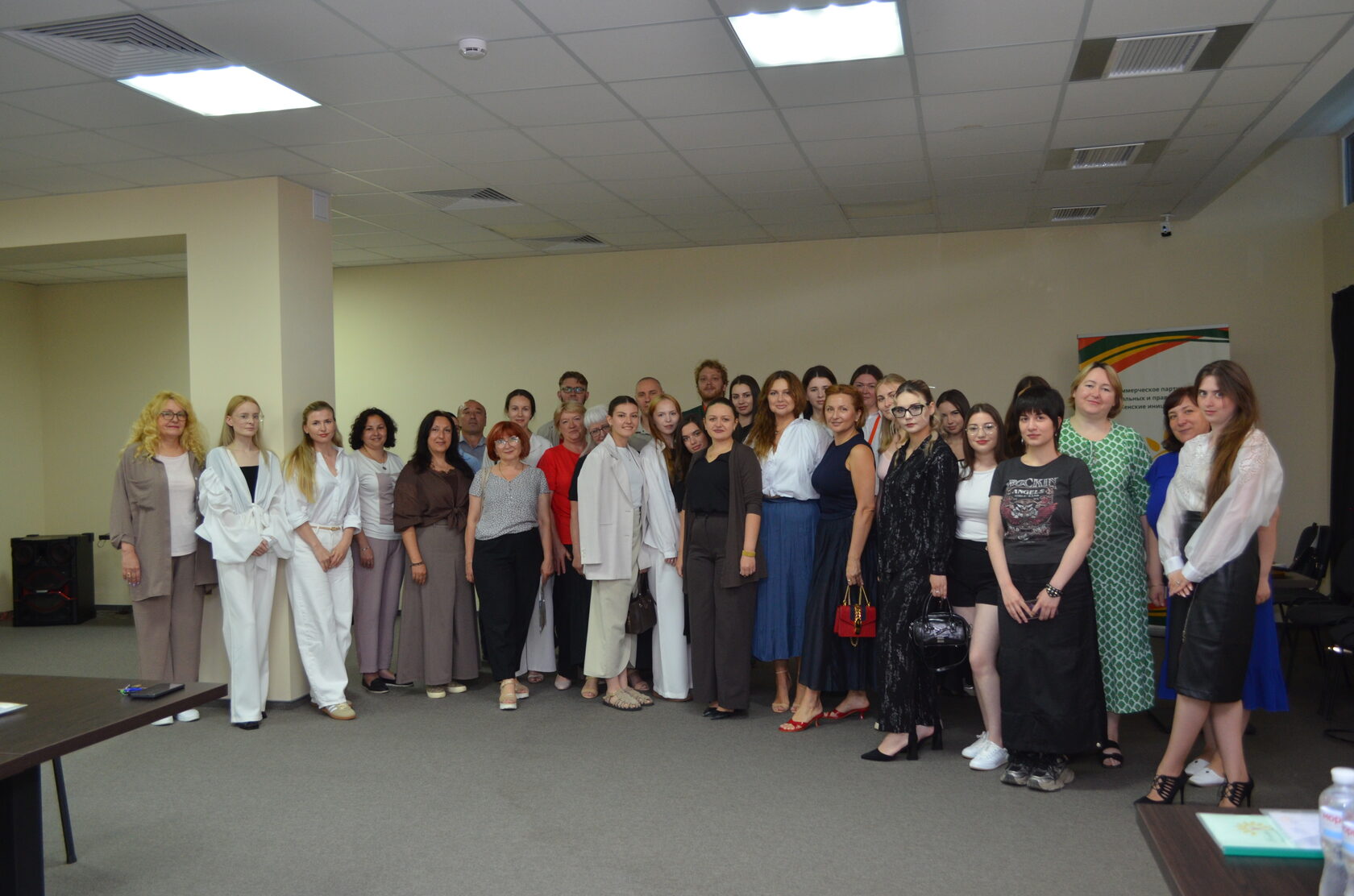
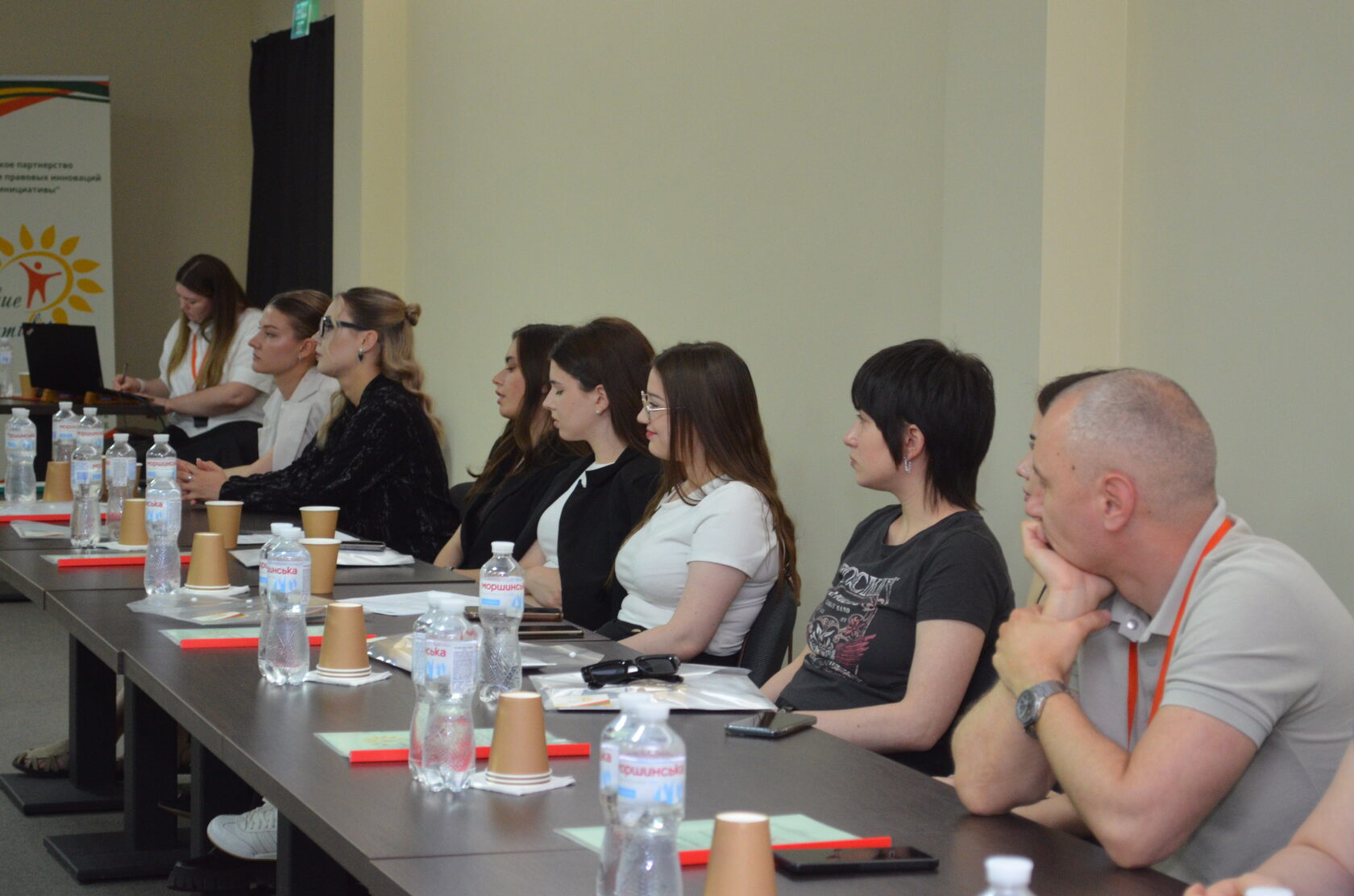
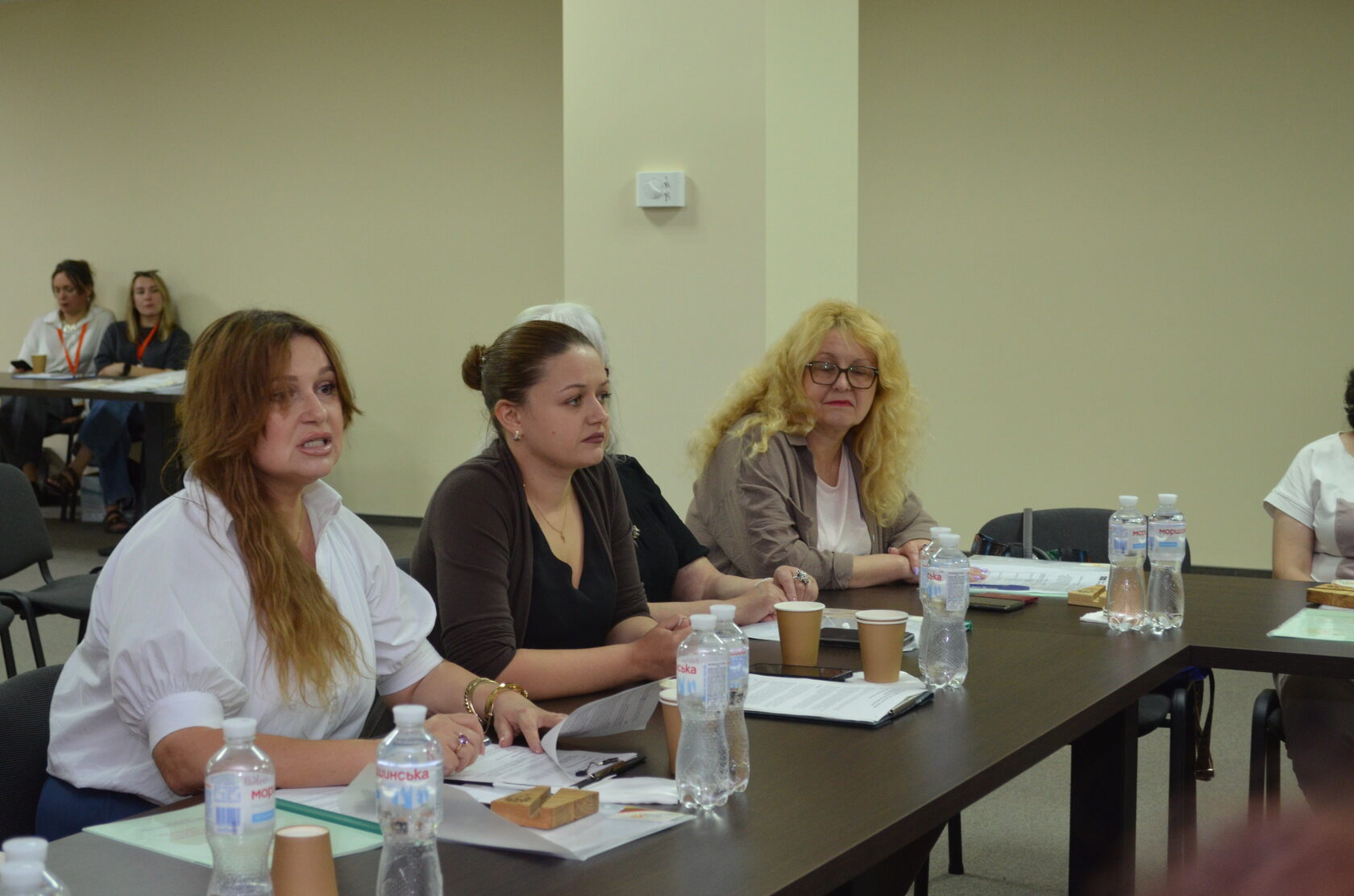
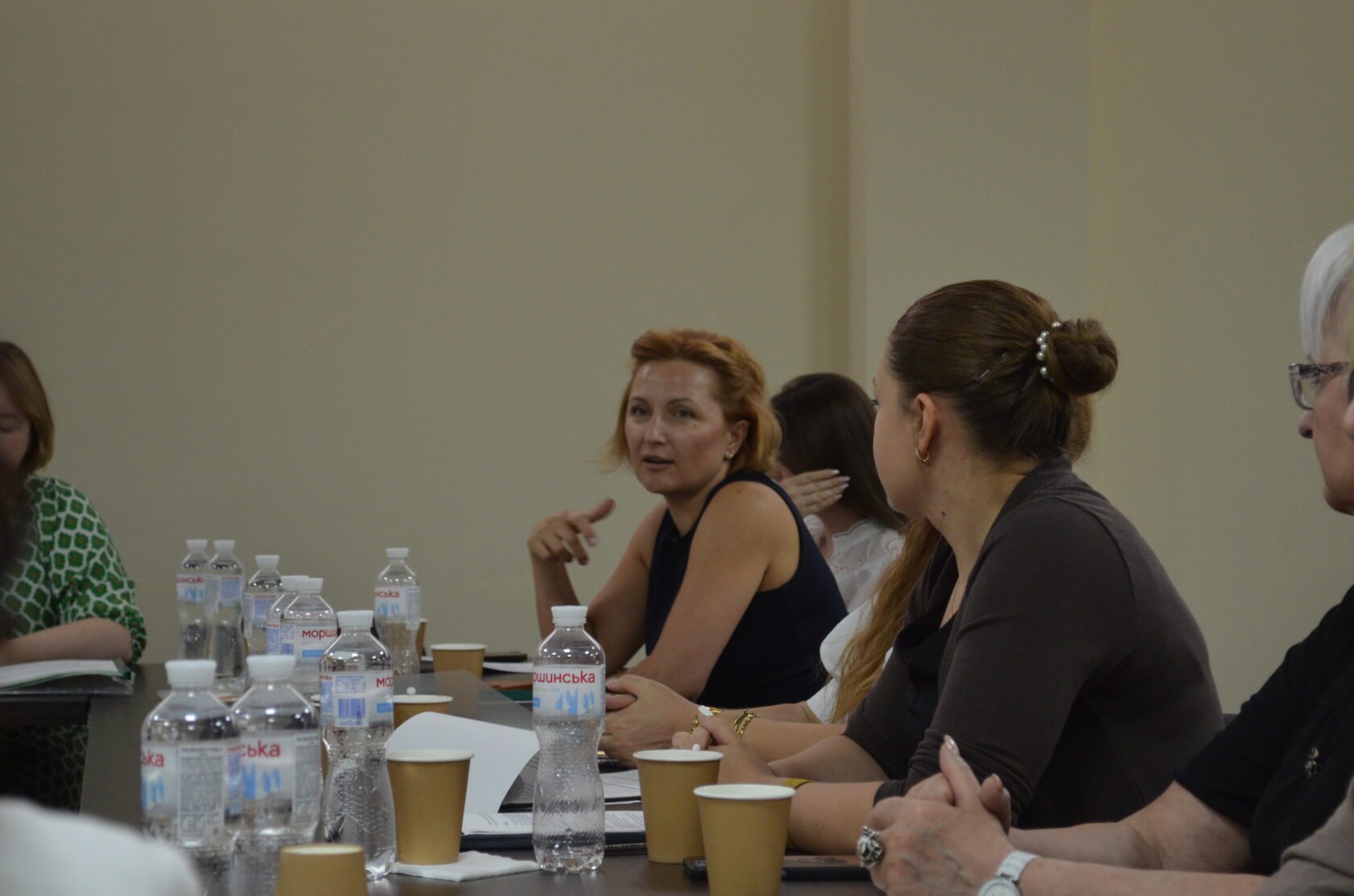
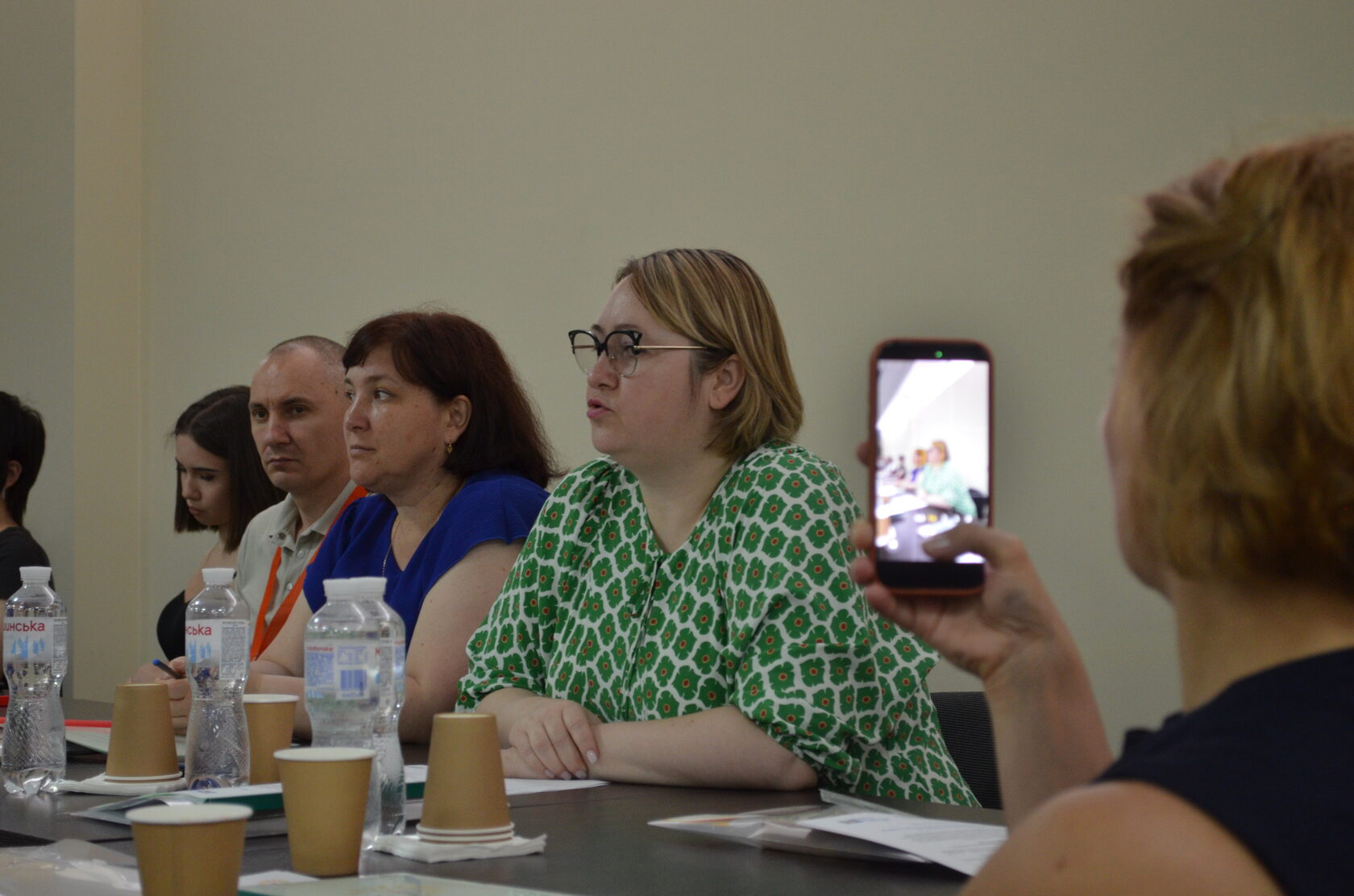
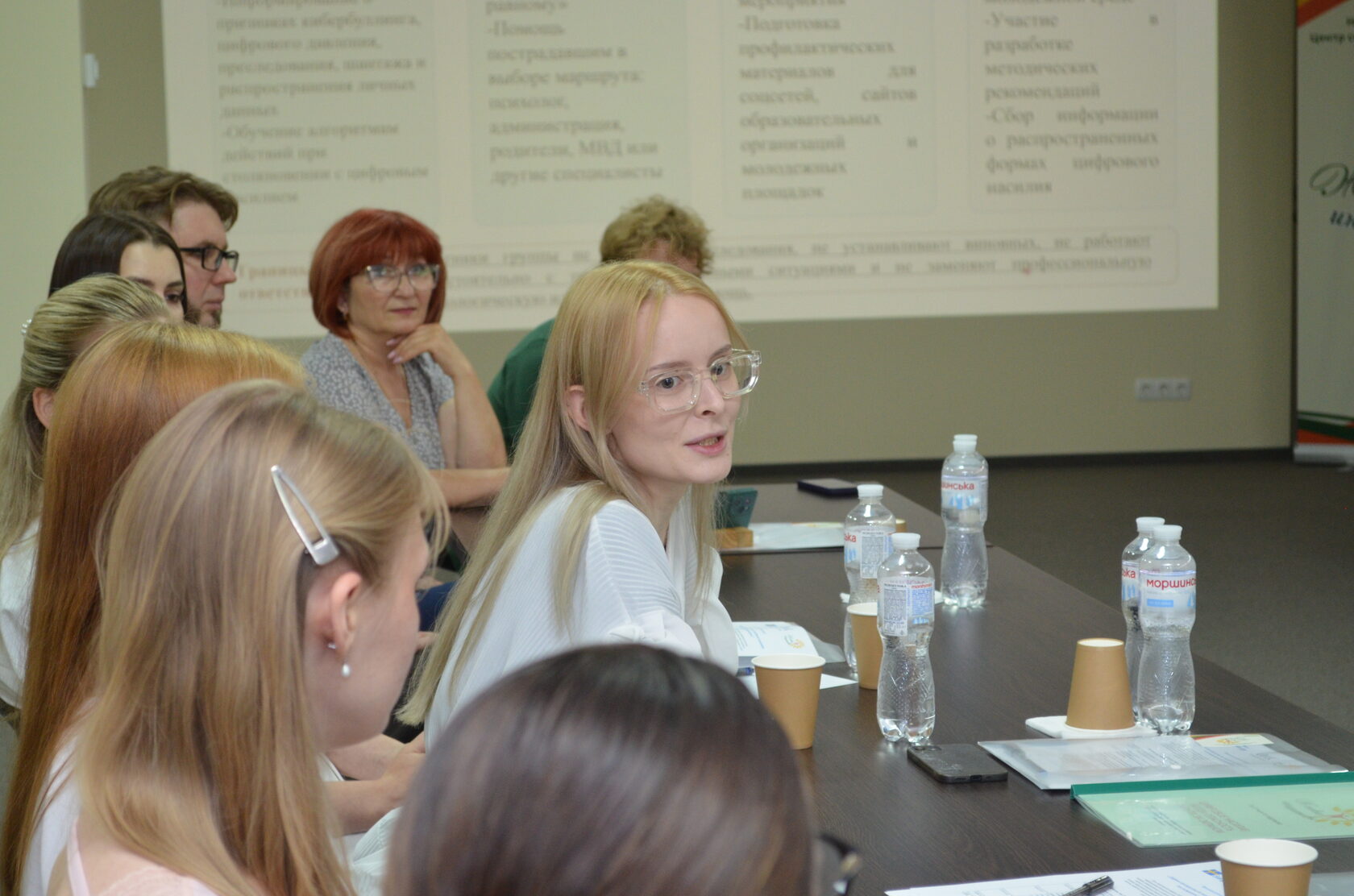
We held a productive working meeting as part of the “Digital Space Without Violence” project. Our goal is to bring together government agencies and the nonprofit sector to launch a robust, systematic awareness campaign aimed at preventing digital threats.
Key takeaways from the meeting:
The “peer-to-peer” approach in action. We introduced a team of young and ambitious female trainers-students from the Department of Psychology at Shevchenko State University and the L.A. Tarasevich Medical College in Tiraspol. They are the ones who can become champions of digital literacy among young people. Some have already begun developing their own projects-ranging from a teaching guide to a board game for children.
A distinctive feature of the meeting was the active participation of the heads of various university departments. Psychologists, sociologists, medical professionals, journalists, and advertising professionals-they all feel part of a large community that exists not only in the real world but also in a unique “cybervillage” called the Internet.
The Key Role of Adults. The main conclusion of the discussion is that it is impossible to protect anyone online if we ourselves do not understand the risks. Adults must be the first to learn how to recognize, analyze, and respond appropriately to instances of digital abuse. The verdict is that, at present, far from everyone is capable of doing this.
Representatives of the IT sector pointed out an important “but”: at this point, it is impossible to fully regulate or technically restrict the internet. It is not possible to live in an absolute “digital vacuum,” so the focus should be on developing a culture of security and ethics within the industry.
The Impact of the Media Environment. Special attention was given to the blogging community. Opinion leaders have enormous reach and influence, so involving them in the information campaign is one of the most important steps toward improving the digital environment. The key is for them to take the “right side,” since reach and popularity don’t always go hand in hand with common sense.
The project on the prevention of digital violence was made possible thanks to support from the Oak Foundation. The organization's activities are carried out with support from Sweden.