The world is changing rapidly, and, unfortunately, the flip side of these changes is a sharp rise in mental disorders worldwide. Scientists cite the main cause as “a fundamental fear of the unknown and an uncertain future.” According to forecasts, mental disorders will be among the top five most common diseases on the planet in just a couple of years.
Pridnestrovie is no exception. The statistics from the Ministry of Health speak for themselves:
In 2025, the number of patients newly diagnosed with mental illnesses increased by 18% compared to the previous year, totaling 1,520 people (1,244 in 2024).
As of the end of the reporting period, a total of 19,278 people were registered.
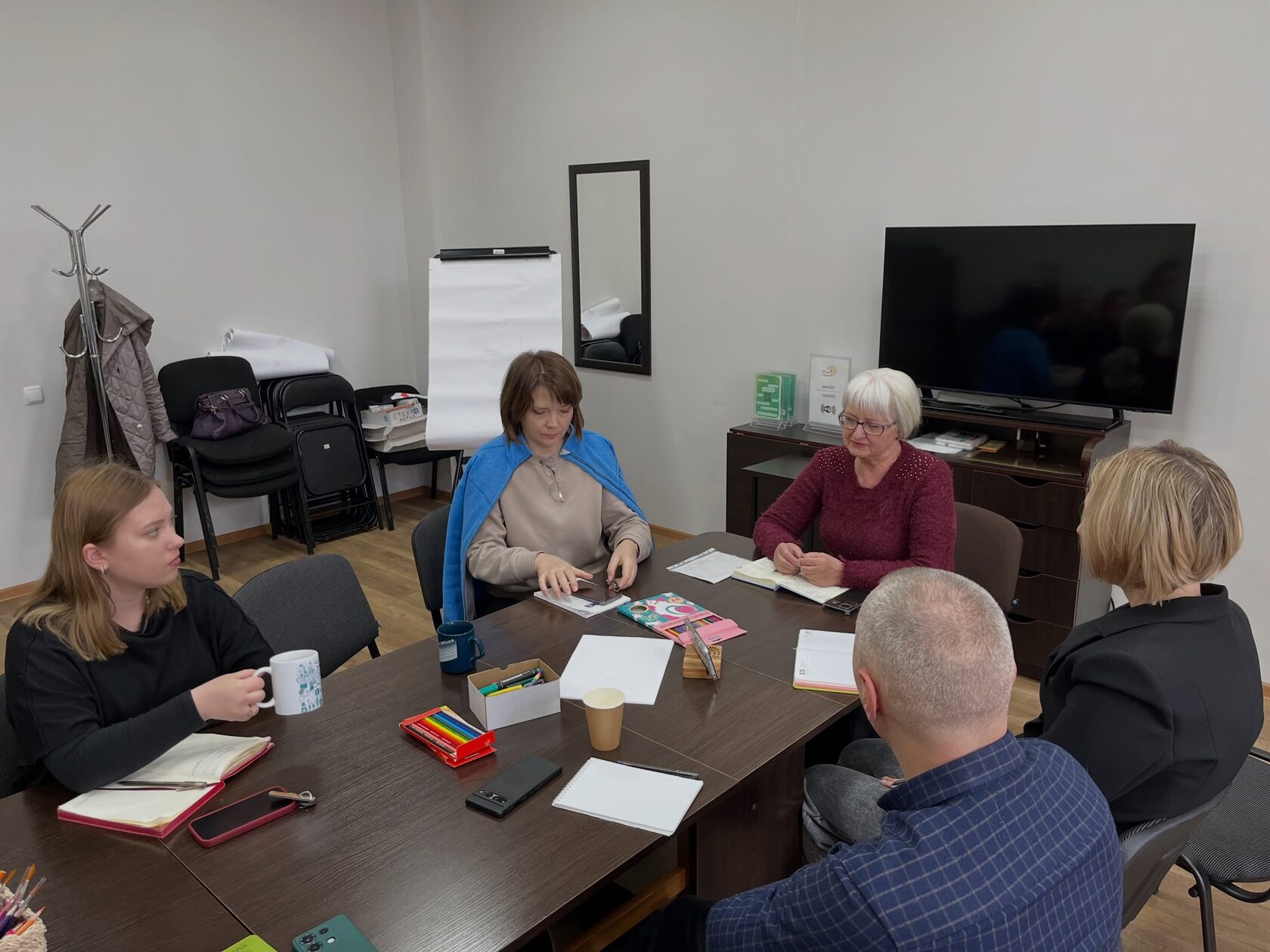
Behind these numbers are real people, their families, and... a tremendous burden on professionals in the helping fields. That is precisely why we are not standing idly by. Recognizing that social work today is impossible without in-depth knowledge of mental health, “Women’s Initiatives” conducted a series of practical training sessions.
Maya Shukanova, a practicing psychiatrist, served as our expert. Together with her, our specialists provided a detailed breakdown of the fundamentals of the International Classification of Diseases, as well as diagnoses, symptoms, and indicators. We also discussed how to interact with people in an empathetic and safe manner during periods of exacerbation or crisis.
Why is this critically important for social work?
A social worker (social assistant) is often the first—and sometimes the only—person people turn to for help. Without a basic understanding of psychiatry, it’s easy to miss the moment when someone needs emergency medical care—or, conversely, to make their condition worse by taking the wrong approach. So let’s be more attentive to one another (but without being pushy), because that’s exactly how a healthy community works.
